
Recommended Posts


Jamaican National Heroes, A quick look
11 comments
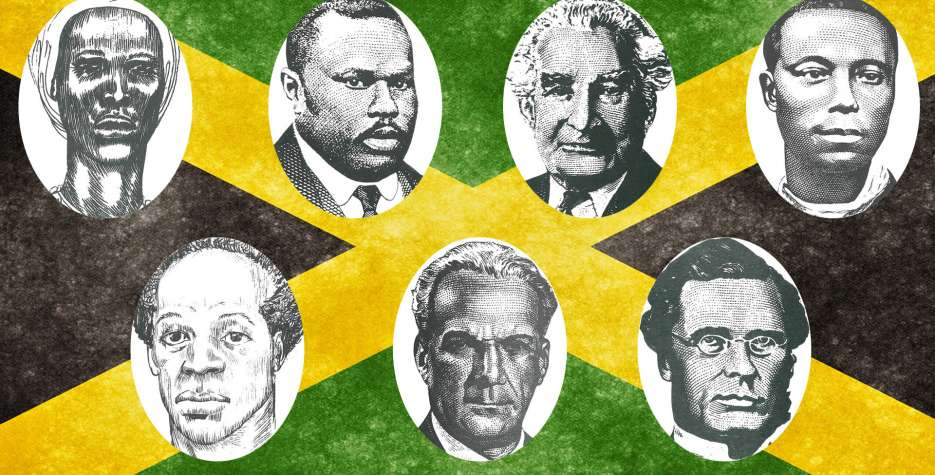
Heroes Weekend in Jamaica is a big celebration. It is a pitty I can't be there but interestingly I have a holiday here that almost falls on the same day. In this post I will give a brief description of the 7Jamaican national heroes. Heads up, Bob Marley is not on the list.... officially... but many Jamaicans hope to see him there as well as on a Jamaican banknote someday..
In Jamaica National Heroes' Day is celebrated on the third Monday in October. This year 2019, it will be observed on October 21st.
Let's Recall Some Great men
First off let us start this post off with Busy Signal's remake of the Burning Spear's classic, Let's Recall some great men. What I love about this remake is that he mentions people who are heroes to the modern day individuals as well as the foundational heroes. He also goes international with it showing that the world is now globalized.
https://www.youtube.com/watch?v=2Q0rjCXAg6M
Busy Signal, Let's Recall Some Great Men
A look at Jamaica's 7 National Heroes
Nanny of the Maroons
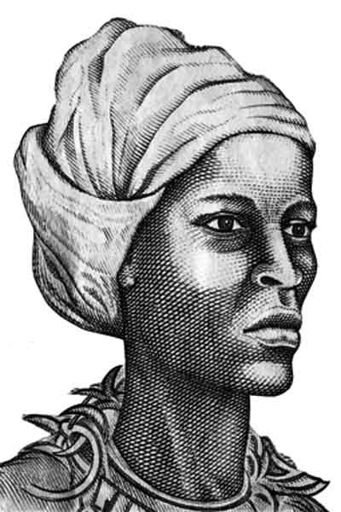
Queen Nanny was originally from Ghana of the Ashante tribe. She is a Jamaican National Hero, who is known for her involvement in leading a Maroon town in the Blue Mountains of Jamaica. She led many revolts and it is said that she was a worker of Obeah ( Voo Doo) and used it to bring harm to planation owners and to protect her Maroon tribe during battle. Not much is documented about her, so most of what is known is based on hear say and story telling. One thing is for sure, all we hear point to her being a strong leader who led her maroon tribe to freedom from the plantation. Nanny and her maroon tribe battled the colonial officials to the extent that they had to reach an agreement to legally grant Nanny and her community land which amounted to 500 acres located in Portland. This was know as Nanny Town. It was destroyed in the first maroon war in 1973. It was later rebuilt and called Moore Town.
Samuel Sharpe
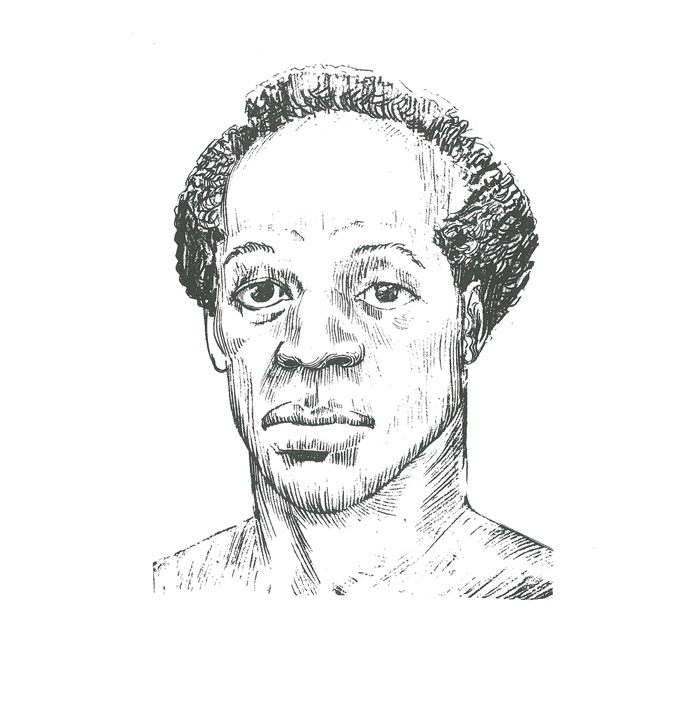
Samuel Sharpe, 1801-1832, was an enslaved African Jamaican born in St, James who led the Christmas rebellion also know as the Baptist war Rebellion in 1832. It was said that Sharp misunderstood that slavery was already abolished but in fact it was only in talks. He led a peaceful demonstration which turned into a rebellion as many slaves decided to stop working the fields at a critical time, harvest season. Reprisals from the plantation owners led to slaves burning crops. This led to an all out rebellion across the island lasting for almost 2 weeks. 14 whites died and over 200 slaves were killed. The death of slaves increased to over 300 as many were put on trial and hanged for minor offenses to make examples out of them. Sam Sharpe himself was hanged but before he died said this to a missionary, "I would rather die upon yonder gallows than live my life in slavery".
The Jamaican government's severe reprisals in the aftermath of the rebellion are believed to have contributed to passage by Parliament of the 1833 Slavery Abolition Act and final abolition of slavery across the British Empire in 1838.
Marcus Garvey
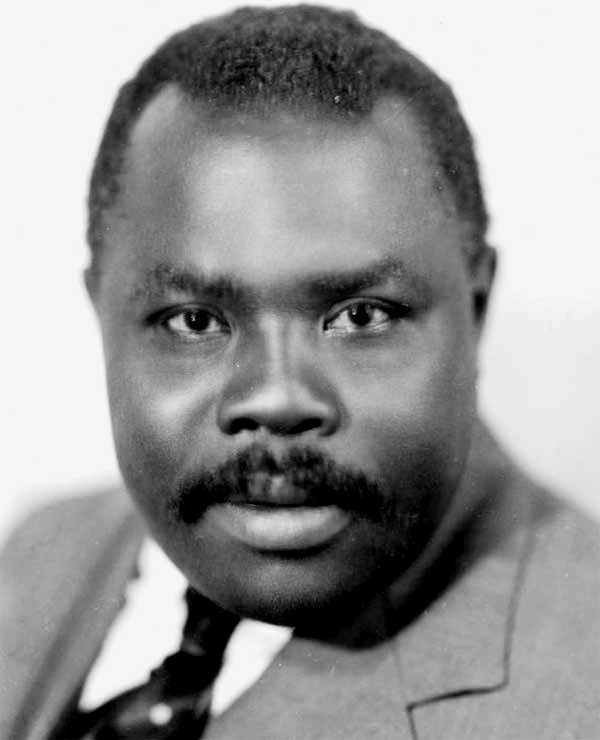
Marcus Garvey, 1887-1940, was born in St. Ann. He was a prominent black nationalist who believed in unifying the African diaspora globally. His ideals were quite controversial as he didn't believe in the mixing of races economically or maritally, he believed in Black separatism where blacks built their own economy separate from the whites. He was a black nationalist, Pan Africanist and his ideas are known as Garvyism. He was a publisher, journalist and businessman. He has influenced many movements such as Rastafarism, Nation of Islam and The Black Power Movement.
Norman Washington Manley

Norman Washington Manley, 1893-1969, was a Rhodes Scholar. Manley became one of Jamaica's leading lawyers in the 1920's and formed the People's National Party ( one of Jamaica's political parties, the other being the JLP- Jamaica Labour Party) which is still running today. Manley is responsible for negotiating Jamaica's independence from Britain, this was achieved in 1962. He laid the foundation for the development of Jamaica as an independent nation with its own government.
Alexander Bustamante

Sir Alexander Bustmante, 1884-1977. He became the first Prime Minister of Jamaica in 1962. He was also the cousin of Normal Washington Manley. Bustamante fought for the working class of Jamaica at the time and even went to jail for 17 months for the cause. 1937-38 were years of civil unrest in Jamaica, something Bustamante saw coming. He saw the unemployment and lack of representation for this growing class of unprivileged Jamaicans and brought attention to it. After being freed from Jail he started the JLP ( Jamaica Labour Party) with himself as the leader.
In 1943 he founded the Jamaica Labour Party (JLP), with himself as head. The first general election under Universal Adult Suffrage came in 1944 and the JLP won 22 of the 32 seats.
Paul Bogle
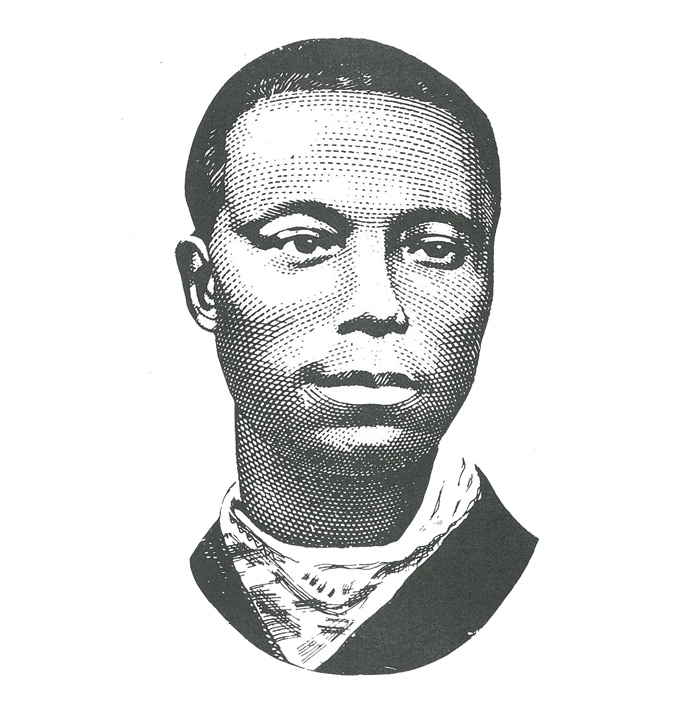
Paul Bogle's date of birth is uncertain but he died 1865. He was a Jamaican Baptist deacon, activist and leader of the 1865 Morant Bay protesters. He stood up for poverty, injustice and lack of confidence in the political system. He led the march to Morant Bay courthouse on October 11, 1865. A peaceful demonstration became violent and over 500 people were killed and many punished in public. Bogle himself was hanged in 1865 but his mission was achieved as it made way for just practices of the court, brought attention to the issues in Jamaica and laid the foundation for equal rights in a land where there was none.
George William Gordon

George William Gordon, 1815-1865 was a politician, magistrate and wealthy Jamaican businessman whom owned a lot of land in Jamaica. He was born to a slave mother and Planter father who was well connected. Gordon was a self educated land owner in St Thomas who saw the attempt by the powers to bring Jamaica back into slavery with rules and labour laws that only catered to the rich and the whites. This propelled him into politics but the people who were for him, couldn't even vote. He went as far as to sell his land cheaply and divide it so Jamaicans could have land to grow their own crops. He even made sales channels for them to sell their goods at decent prices. Gordon was an instrumental voice in the Morant Bay rebellions which saw Paul Bogle leading the March to the Courthouse.
Gordon was arrested and charged for complicity in what is now called the Morant Bay Rebellion in 1865. He was illegally tried by Court Martial and, in spite of a lack of evidence, convicted and sentenced to death. He was executed on October 23, 1865.
And let's end this with the original Buring Spear's Song, "Let's Recall Some Great men".
https://www.youtube.com/watch?v=wYc0LLHcg50
Burning Spears
Posted via
| Reggae Culture Rewarded
Comments